BE OUR FRIEND
WHAT WE DO

Art Place Lagos

Where Creativity Lives, Artists Connect, and Culture Flourishes.

Established in 2017
Learn More

Andrew Esiebo: The Nigerian Photographer Changing How Africa Is Seen, One Image at a Time

Andrew Esiebo: The Nigerian Photographer Changing How Africa Is Seen, One Image at a Time

From the bustling streets of Lagos to international galleries, Andrew Esiebo has built a remarkable career documenting the beauty, struggles and complexities of everyday life. His photography does more than capture moments; it challenges stereotypes, preserves culture and gives ordinary people the visibility they deserve. There are photographers who take pictures, and there are photographers who make us question what we see. Andrew Esiebo belongs to the latter. For the Nigerian photographer and visual storyteller, the camera is more than a creative instrument. It is a means of exploring identity, understanding society and telling stories that might otherwise remain unnoticed. His photographs do not depend on glamour or carefully constructed perfection. Instead, they find meaning in the everyday: the neighbourhood barbershop, the football field, the changing streets of a city and the people whose lives reveal something important about the society around them. Born in Lagos, Esiebo has spent much of his career exploring urbanisation, migration, popular culture, religion, sexuality and the human experiences that connect these subjects. His work has travelled far beyond Nigeria, earning recognition across major international exhibitions and institutions. Yet what makes his photography particularly compelling is not simply how far it has travelled. It is how closely it remains connected to the lives of ordinary people.
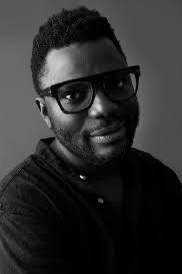
Andrew Esiebo

Finding Extraordinary Stories in Ordinary Places Photography often celebrates the spectacular. Esiebo's work demonstrates that some of the most revealing stories exist in places people walk past without a second thought. A barbershop, for example, might appear to be nothing more than a place where people get their hair cut. But look beyond the mirrors, clippers and conversations, and it becomes something else entirely: a meeting point, a space for self-expression and a reflection of social identity. This understanding inspired one of Esiebo's best-known photographic projects, Pride, which explores the culture of male barbershops across West Africa. The project grew from a conversation with a Lagos barber who spoke proudly about his profession and the influential people he had served, including a former Nigerian president. That encounter encouraged Esiebo to investigate the deeper social significance of barbers and their businesses. Through Pride, Esiebo examined how hairstyles communicate personality, confidence, aspiration and belonging. His photographs also revealed how barbershops function as social spaces where people from different backgrounds interact. What might have been an ordinary documentary series became a wider exploration of dignity, culture and the importance of professions that society sometimes overlooks. And that is one of Esiebo's greatest strengths: his ability to recognise a meaningful story where others might see only routine.

Challenging the Way the World Sees Africa

For decades, international representations of Africa have often been dominated by narratives of conflict, poverty, political instability and hardship. While these realities deserve attention, they do not tell the whole story of a continent filled with creativity, ambition, humour, cultural richness and everyday resilience. Esiebo's photography offers a more expansive perspective. His images make room for the energy of Nigerian cities, the creativity of young people, the intimacy of community life and the cultural expressions that shape contemporary African identity. In 2014, The Guardian highlighted his contribution to changing perceptions of Africa through photography and social media, particularly his documentation of life in Lagos. This is what gives his work significance beyond the gallery wall. By photographing people and environments with curiosity and attention, Esiebo challenges audiences to look beyond familiar assumptions. His work suggests that African stories should not be reduced to a single narrative, nor should their complexity be overlooked. He is not simply photographing Africa for the world to see. He is contributing to the way Africa represents itself. Football, Identity and the Power of Community Another fascinating aspect of Esiebo's artistic practice is his exploration of football. In Nigeria, football is more than a sport. It is part of everyday life, a source of national pride and a shared language capable of bringing people together across differences. Through projects such as For the Love of It, Esiebo has explored football's relationship with public spaces, community and Nigerian society. His photography examines the environments where the game is played and the people who keep its culture alive, often far from professional stadiums. His work has also extended to South Africa, where he documented older women playing football, challenging conventional assumptions about age, gender and participation in sport. These projects reveal an artist interested in more than visual beauty. They show his willingness to investigate how ordinary activities reflect larger questions about belonging, opportunity and social expectations.

From Lagos to the International Art World

Esiebo's career is a testament to the global relevance of Nigerian photography. His work has appeared in major exhibitions including the São Paulo Biennial, the Havana Biennial, the LagosPhoto Festival and A World in Common: Contemporary African Photography at London's Tate Modern. His photographs have also been published by internationally recognised outlets such as National Geographic, The New York Times, The Guardian and the Financial Times. Among his notable achievements is the 2011 Artistic Creation Prize awarded by the Musée du Quai Branly in Paris.  These achievements reflect the international interest in his work, but they also point to something larger: the growing recognition of African photographers as important contributors to contemporary visual culture. For Esiebo, the Nigerian experience is not a limitation on his artistic relevance. It is a rich starting point for exploring themes that resonate across geographical and cultural boundaries. Identity, migration, faith, ambition and belonging are not exclusively Nigerian concerns. They are human experiences, and his photographs give them a distinctly personal and cultural perspective.

Photography as a Form of Social Responsibility

What separates meaningful documentary photography from casual image-making is often the intention behind it. A photograph can inform, but it can also provoke questions. It can reveal uncomfortable truths, challenge assumptions or preserve experiences that might otherwise disappear from public memory. Esiebo's approach demonstrates an awareness of this responsibility. His subjects are not merely visual elements placed within a frame. They are people whose environments, choices and experiences contribute to larger social narratives. This sensitivity is especially important when documenting communities that are frequently misunderstood or inadequately represented. By exploring subjects such as migration, gender politics and religion, Esiebo enters conversations that require more than technical skill. They demand curiosity, patience and a willingness to engage with different perspectives. His photographic practice reminds us that storytelling is not only about deciding what deserves to be seen, but also about considering how it should be represented.
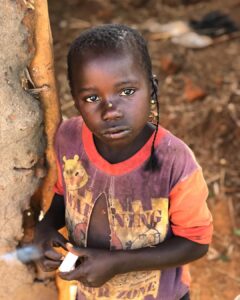
Andrew Esiebo Work

Inspiring the Next Generation of African Photographers Beyond his personal achievements, Esiebo has contributed to the development of emerging photographers through mentorship, workshops and photography training programmes. His professional biography documents his involvement in initiatives including Naija in Light, a photography training project in Kano and Lagos, as well as workshops and mentoring engagements across Africa. This commitment to sharing knowledge is an important part of his contribution to the creative industry. For younger photographers, his career offers a valuable lesson: powerful storytelling does not always require access to extraordinary places or famous personalities. Sometimes, the strongest images emerge from paying closer attention to the people, streets and communities already around us. His journey also demonstrates that photography can grow beyond a personal passion into a practice capable of influencing cultural conversations and reaching audiences across the world.

A Legacy Beyond the Lens

Andrew Esiebo's importance lies not only in the photographs he has created but also in the conversations those photographs continue to inspire. His work encourages viewers to reconsider what makes a story significant. It draws attention to people whose contributions are easily overlooked and reveals the cultural meaning hidden within everyday experiences. From barbershops to football fields, from the streets of Lagos to international exhibitions, his photography has consistently returned to the relationship between people and the societies they inhabit. And perhaps that is what makes his artistic vision so relevant. At a time when images are produced and consumed at extraordinary speed, Esiebo's work reminds us that photography can still demand something deeper from its audience: attention, understanding and reflection. He represents a generation of African visual storytellers who are not waiting for others to define their realities. They are documenting those realities themselves, bringing nuance and humanity to stories that deserve to be told. Andrew Esiebo is not just capturing moments in African life. Through his lens, he is preserving identities, questioning perceptions and helping shape the visual history of a continent. And long after the camera shutter closes, those stories continue to speak.
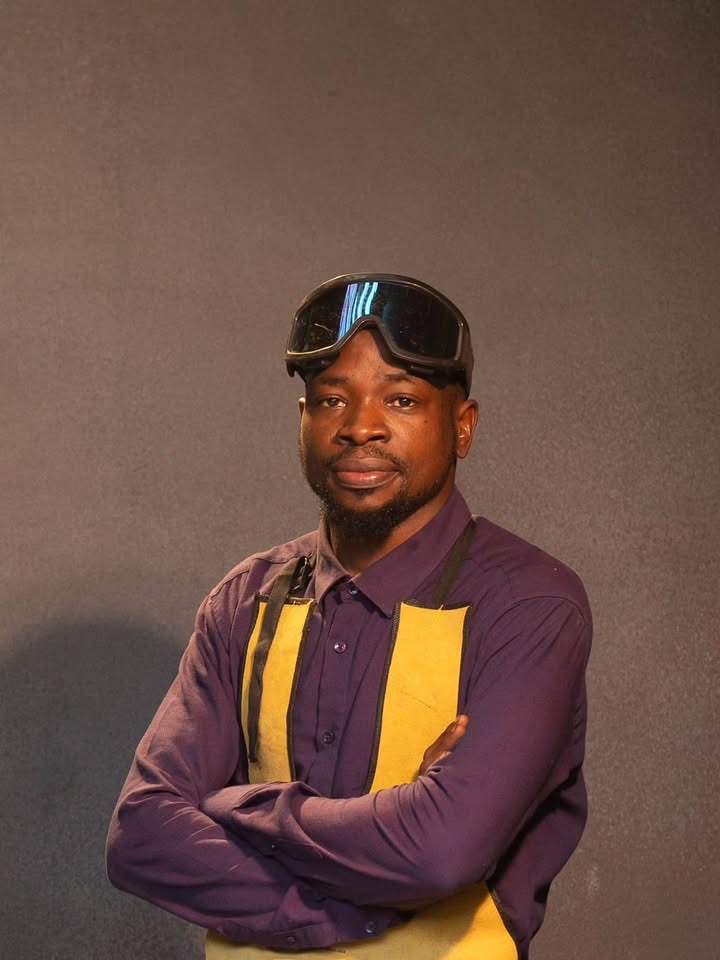
Abisoye Taiwo: The Nigerian Sculptor Turning Metal Into Masterpieces and Redefining Contemporary African Art

Abisoye Taiwo: The Nigerian Sculptor Turning Metal Into Masterpieces and Redefining Contemporary African Art

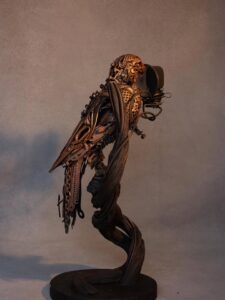
With creativity, craftsmanship and an extraordinary ability to see beauty in unexpected places, Nigerian sculptor Abisoye Taiwo represents the transformative power of art and the enduring relevance of African artistic expression. Art has always been a language through which people express their identities, preserve memories and challenge the way the world sees them. But for Nigerian sculptor and visual artist Abisoye Taiwo, the possibilities of artistic expression extend beyond the canvas. In sculpture, materials become a means of creating something that demands attention, invites curiosity and changes the way we look at ordinary objects. There is something fascinating about an artist who can see potential where others might see little value. A piece of discarded metal, for instance, can become the foundation of an extraordinary sculpture. What begins as an everyday material can take on a completely different identity through imagination, patience and craftsmanship. Taiwo That transformation is particularly relevant to Taiwo's sculptural practice. An artwork listed under the name Taiwo Abisoye, Arabian Horse (2024), is documented as a unique installation made from scrap metal, illustrating how industrial materials can be reimagined as sculptural forms.  Sculpture is one of the most demanding forms of visual expression. Unlike painting, where an artist works primarily across a surface, sculpture requires an understanding of physical space, balance, structure and dimension. Every angle matters. Every connection has a purpose. And every decision contributes to the final form. For Abisoye Taiwo, the appeal of sculpture lies in its ability to turn artistic vision into something tangible. The process is not simply about producing an object that looks impressive. It is about giving shape to an idea and allowing viewers to experience that idea from different perspectives. Working with metal also introduces an interesting relationship between strength and creativity. A material associated with construction, machinery and industrial activity becomes capable of expressing movement, elegance and artistic imagination. This is what makes sculpture such a compelling medium. It challenges the artist to go beyond appearance and explore the possibilities hidden within the material itself. Taiwo Art
Giving New Life to Materials

One of the most important conversations in contemporary art today concerns sustainability and the creative reuse of materials. Across the world, artists are reconsidering what deserves to be called an artistic medium. Objects once dismissed as waste are being transformed into installations, sculptures and works that question our relationship with consumption. Scrap-metal sculpture occupies a particularly powerful place within this conversation. By transforming discarded materials into artistic creations, sculptors challenge the assumption that value disappears once an object has served its original purpose. Taiwo's Arabian Horse offers a concrete example of this transformation. The work brings together the industrial character of scrap metal and the recognisable form of an animal associated with strength, beauty and movement. It is a compelling reminder that artistic imagination can change not only the appearance of a material but also the meaning we attach to it.

The Strength of Nigerian Creativity

Nigeria has long been home to remarkable artistic traditions, from historical sculptural practices to contemporary experimentation with unconventional materials. Today, Nigerian visual artists continue to expand the possibilities of those traditions, exploring new techniques while contributing to wider conversations about identity, culture and innovation. Sculpture remains especially significant because of its physical presence. It can occupy public spaces, transform interiors, commemorate histories and encourage people to interact with art beyond the conventional gallery experience. Within this landscape, artists such as Abisoye Taiwo demonstrate the creative possibilities of working across traditional craftsmanship and contemporary expression. Their work also contributes to a broader understanding of African art, one that recognises the continent not only for its cultural heritage but also for its experimentation, technical ambition and artistic innovation.

The Power of Sculpture

A successful sculpture does more than occupy space. It changes the atmosphere around it. It can encourage viewers to move closer, examine its details and wonder how individual components were brought together. For a metal sculptor, that curiosity is especially meaningful. The viewer sees a finished artwork, but behind it lies a process involving design, construction, physical effort and careful artistic judgement. The ability to transform rigid materials into expressive forms requires more than technical competence. It requires vision. This is why sculptural art deserves greater recognition within conversations about contemporary creativity. Its beauty is not limited to the final result; it also exists in the ingenuity of the process. For Taiwo, the significance of such work can be understood through the transformation itself: taking something familiar and presenting it in a way that encourages people to see it differently.

A Place in the Future of African Art

As contemporary African art attracts wider international attention, artists working in sculpture have an important role to play in shaping how the continent's creativity is understood. Their work challenges narrow definitions of African artistic expression and demonstrates that innovation can emerge from the most unexpected materials. Abisoye Taiwo's artistic identity belongs within this larger conversation about craftsmanship, imagination and the future of visual culture. The strength of an artist's contribution is not determined solely by the complexity of the materials used, but by what those materials become in their hands. And perhaps that is the most powerful thing about sculpture: its ability to turn an idea into a physical presence that continues speaking long after the artist has finished working. An Artistic Legacy Built Through Creation Every meaningful artistic journey is shaped by experimentation, dedication and the willingness to see possibilities beyond the obvious. For Abisoye Taiwo, sculpture offers a way to explore those possibilities through form and material. It represents a creative practice in which the ordinary can become extraordinary and where craftsmanship becomes a language of its own. At a time when conversations about African creativity are reaching increasingly diverse audiences, this kind of artistic expression deserves attention. Because great art does not always begin with beautiful materials. Sometimes, it begins with something overlooked, something discarded or something the world has stopped paying attention to. And in the hands of an artist like Abisoye Taiwo, even metal can find a new life, a new identity and a story worth telling.

Ibquake: The Power of Spoken Word Poetry and the Art of Making Every Word Count

Ibquake: The Power of Spoken Word Poetry and the Art of Making Every Word Count

In a generation where everyone has something to say, Nigerian spoken word artist Ibquake reminds us that words can do more than entertain. They can challenge perspectives, stir emotions and give a voice to experiences that often go unheard. There is a difference between hearing words and feeling them. Some words pass through us without leaving a trace, while others stay long after they have been spoken. That is the beauty of spoken word poetry, an art form that transforms ordinary language into something deeply personal, emotional and sometimes life-changing. For Nigerian spoken word artist Ibquake, poetry represents the kind of creative expression that goes beyond carefully arranged sentences. It is about the connection between words, emotions and the people listening. In a world increasingly driven by short attention spans and fleeting digital trends, spoken word poetry continues to hold its ground. It asks people to listen, to reflect and, sometimes, to confront truths they would rather ignore. Ibquake belongs to a generation of creatives helping to keep that experience relevant.
Ibquake
Ibquake

When Poetry Becomes More Than Words

Poetry has always been a powerful form of expression, but spoken word gives it another dimension. Unlike poetry that lives quietly on the pages of a book, spoken word demands to be heard. The pauses matter. The tone matters. Even the silence between sentences can carry meaning. What makes spoken word particularly fascinating is its ability to turn personal experiences into collective conversations. A poem about heartbreak can remind someone of a relationship they have never fully healed from. Words about identity can resonate with people struggling to understand where they belong. A performance about society can challenge an audience to reconsider beliefs they have held for years. This is the space in which artists like Ibquake become important. They demonstrate why poetry still deserves a place in contemporary conversations about art, culture and human experiences.

Ibquake and the Beauty of Authentic Expression

One of the most compelling things about spoken word is that it does not require elaborate production to make an impact. Sometimes, all an artist needs is a microphone, an audience and something worth saying. For a performer, however, simplicity does not necessarily mean ease. Delivering poetry requires an understanding of rhythm, timing, emotion and storytelling. It means knowing when to raise the intensity of a performance and when to allow a quiet moment to speak for itself. Ibquake's presence within Nigeria's spoken word scene draws attention to the importance of this kind of artistry. It is a reminder that poetry is not merely about finding beautiful words. It is also about making those words meaningful. Authenticity is central to that process. Audiences may admire clever wordplay, but what often stays with them is the feeling that a performer genuinely understands the emotions being expressed. And when that connection happens, poetry stops feeling like a performance and begins to feel like a conversation.

Giving a Voice to a Generation

Young Africans are growing up in a time of enormous cultural change. Conversations about identity, relationships, mental health, faith, social expectations and personal freedom are becoming increasingly visible. Art has become one of the ways these conversations take shape. Across Nigeria, creative expression is no longer confined to traditional spaces. Musicians, filmmakers, photographers, visual artists and poets are finding new audiences through digital platforms and live performances. Spoken word occupies a particularly interesting position within this movement because it combines literature with performance, allowing artists to communicate directly with their audiences. Through the lens of Ibquake's artistry, we can appreciate how spoken word creates room for experiences that might otherwise remain unspoken. It also challenges the idea that poetry belongs only in classrooms, literary gatherings or academic discussions. Poetry can exist wherever people are willing to listen.

The Courage to Be Heard

There is a certain vulnerability that comes with performing spoken word poetry. Unlike other creative forms where an artist can hide behind characters or elaborate visuals, spoken word often places the performer directly in front of an audience, with little more than their voice. That kind of exposure requires courage. A poet must be willing to express ideas that may be misunderstood, emotions that may feel uncomfortable and perspectives that may not appeal to everyone. But perhaps that is what makes the art form so necessary. At its best, spoken word creates space for honesty. It reminds listeners that vulnerability is not the opposite of strength and that difficult conversations can begin through creative expression. For artists such as Ibquake, this is part of the wider significance of choosing words as a medium.

Why Spoken Word Still Matters

In an entertainment industry where visual spectacle often attracts the most attention, spoken word poetry offers something different: the opportunity to connect through language alone. Its impact cannot always be measured by applause, views or social media engagement. Sometimes, the most important response to a poem happens quietly. It is the person who leaves a performance thinking differently about their life. The listener who finally finds words for an emotion they could not explain. Or the young creative who realises that their own story is worth telling. That is the lasting power of poetry. Ibquake's place in the contemporary spoken word conversation reflects the continuing relevance of an art form that has survived generations, changing its style and platforms without losing its emotional purpose. As more young creatives explore unconventional ways of telling stories, spoken word remains proof that artistic influence does not always require grand gestures. Sometimes, a voice is enough.

Beyond the Microphone

The future of spoken word poetry lies not only in the artists performing it but also in the communities willing to embrace it. Every performance creates an opportunity for connection. Every poem introduces another perspective. And every artist who chooses to speak openly contributes to a culture where stories, emotions and individual experiences are valued. For Ibquake, the significance of spoken word extends beyond the moment a poem is delivered. It exists in what listeners carry away from that moment. Because the real beauty of spoken word is not simply in how beautifully something is said, but in how deeply it is felt. And in a world filled with noise, artists like Ibquake remind us that sometimes the most powerful thing a person can do is speak and make someone truly listen.

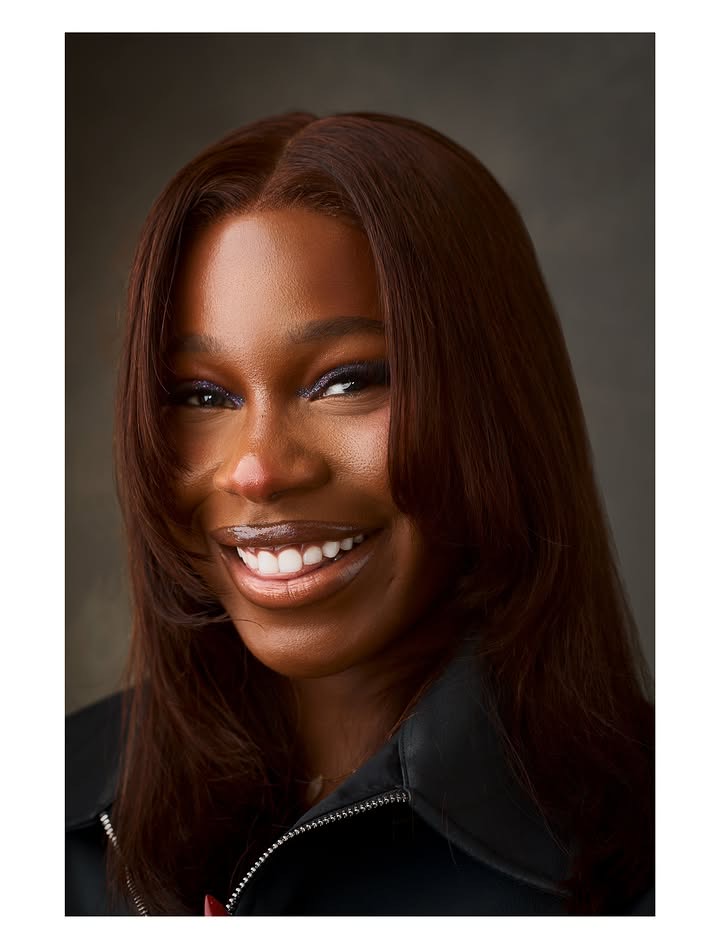
Anehita Aletor: The Visual Artist Turning Creativity Into a World of Her Own

Anehita Aletor: The Visual Artist Turning Creativity Into a World of Her Own

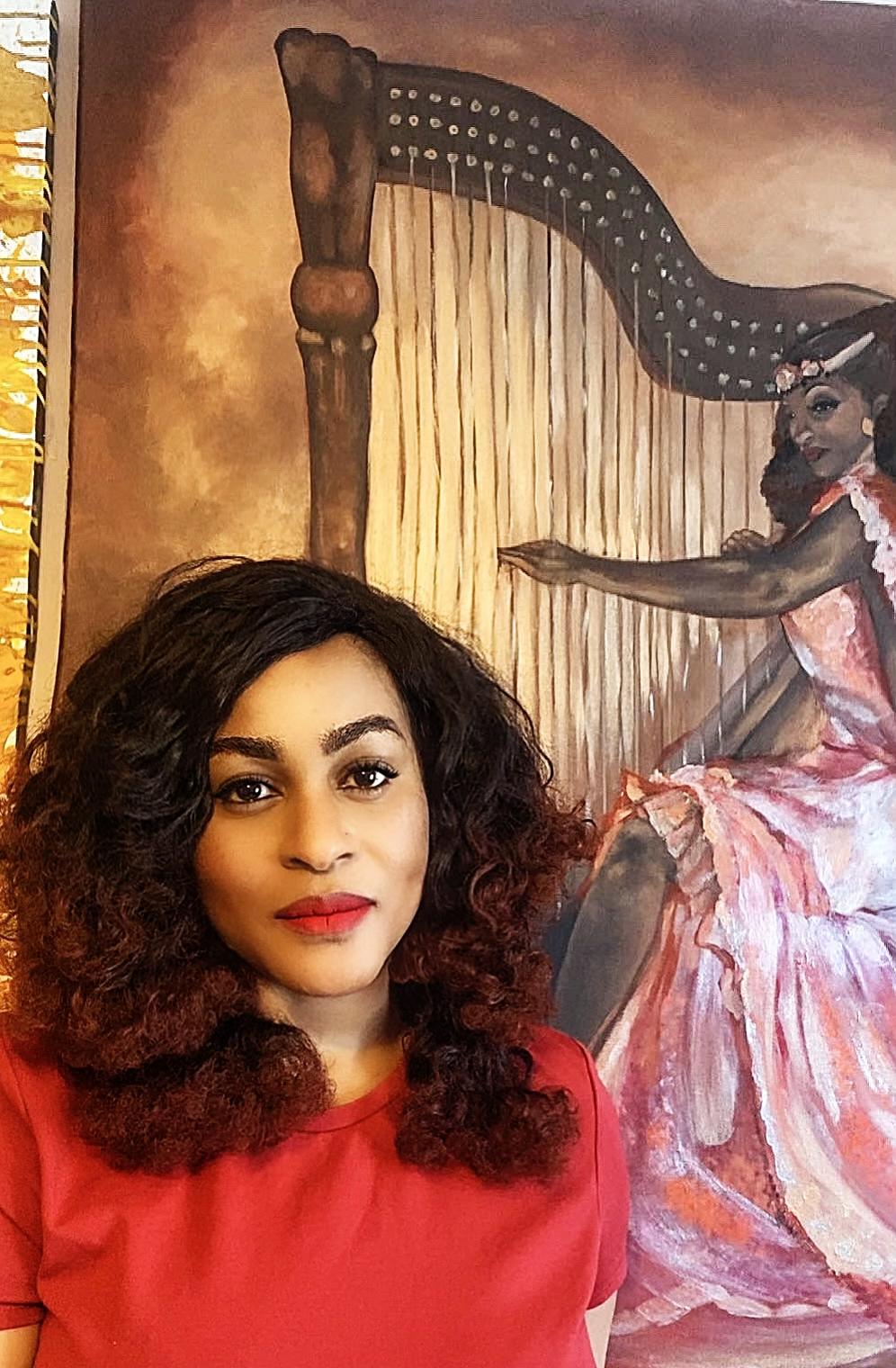
Through her creative identity, “another solo artist,” Anehita Aletor is exploring what it means to make art on her own terms, embracing individuality, self-expression and the freedom to create without limits. There is something powerful about an artist who chooses to create without waiting for permission. For visual artist Anehita Aletor, that sense of independence sits at the heart of her creative identity, another solo artist — a name that feels both understated and quietly confident.
Anehita Aletor
Anehita Aletor
At first glance, the name might suggest someone simply finding their place in the creative world. But look a little closer, and it opens up a more interesting conversation about individuality, artistic freedom and the courage it takes to build something that is entirely your own. In a world where creativity is often measured by visibility, popularity and the pressure to stand out, another solo artist offers a different perspective. It is a reminder that art does not always have to be loud to be meaningful. Sometimes, the most compelling work begins with an individual, an idea and the willingness to explore it. More Than Just a Name What makes another solo artist interesting is the simplicity of its identity. There is no elaborate title or attempt to make the artist seem larger than life. Instead, the name embraces the experience of being one creative voice among many, while leaving room for that voice to become something distinctive. For Aletor, the brand creates space for a conversation that extends beyond the artwork itself. It raises questions about what it means to be an independent artist today, how personal experiences shape creativity and why originality remains important in an increasingly crowded visual landscape. The beauty of visual art is that it can communicate what words sometimes cannot. A single piece can invite different interpretations, stir memories or encourage someone to see an ordinary subject differently. That freedom of interpretation is part of what makes the relationship between an artist and an audience so personal. Turning Art Into Identity.
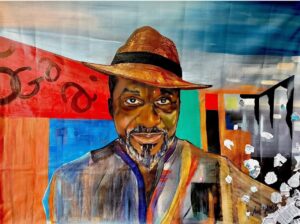
The man with the will Art by Anehita Aletor
The Man With The Will - Art by Anehita Aletor
Being a visual artist today involves more than creating beautiful images. It also means developing a language that people can recognise, connect with and remember. Through another solo artist, Aletor has a creative identity that can grow alongside her artistic journey. Rather than treating art as something separate from the person making it, the name brings the two closer together. There is also something relatable about the idea of being a solo artist. Creativity can be deeply personal, and much of the work happens away from public attention. Behind every finished piece are decisions, experiments, moments of uncertainty and the determination to keep going. That quieter side of artistry is often overlooked, yet it is where much of the real growth happens. Creating Without the Pressure to Fit In One of the biggest challenges facing emerging creatives is the temptation to follow whatever is currently attracting attention. Social media has made it easier for artists to share their work, but it has also created an environment where comparison can become almost unavoidable. Against that backdrop, the idea behind another solo artist feels especially relevant. It suggests that an artist does not have to abandon their individuality to find an audience. There is value in taking time to discover a personal style, experimenting with different approaches and allowing creative work to evolve naturally. For Aletor, the opportunity lies in shaping a brand that reflects her own perspective rather than simply responding to trends.

A Creative Journey Worth Watching

Every artist's journey begins somewhere, and not every chapter needs to arrive with a grand announcement. Sometimes, building a meaningful creative practice is about consistency, curiosity and trusting the process long enough to see where it leads. Anehita Aletor's another solo artist carries the potential to become more than a name attached to artwork. It can become a space for artistic exploration, personal storytelling and connection with people who appreciate creativity in its many forms. Perhaps the most interesting thing about the name is its contradiction. In calling herself another solo artist, Aletor embraces the ordinary reality of being one artist among countless others. Yet the very purpose of creating art is to bring something into the world that could only have come from a particular person. And that is what makes the journey worth following. Because in the end, Anehita Aletor may call herself “another solo artist,” but the story she is building through art is entirely her own.

Share with