Goodluck Jane — Everyday Life Through Mixed Media
Bringing a different artistic approach to the exhibition, Goodluck Jane explored the energy and complexity of everyday urban life through mixed media.
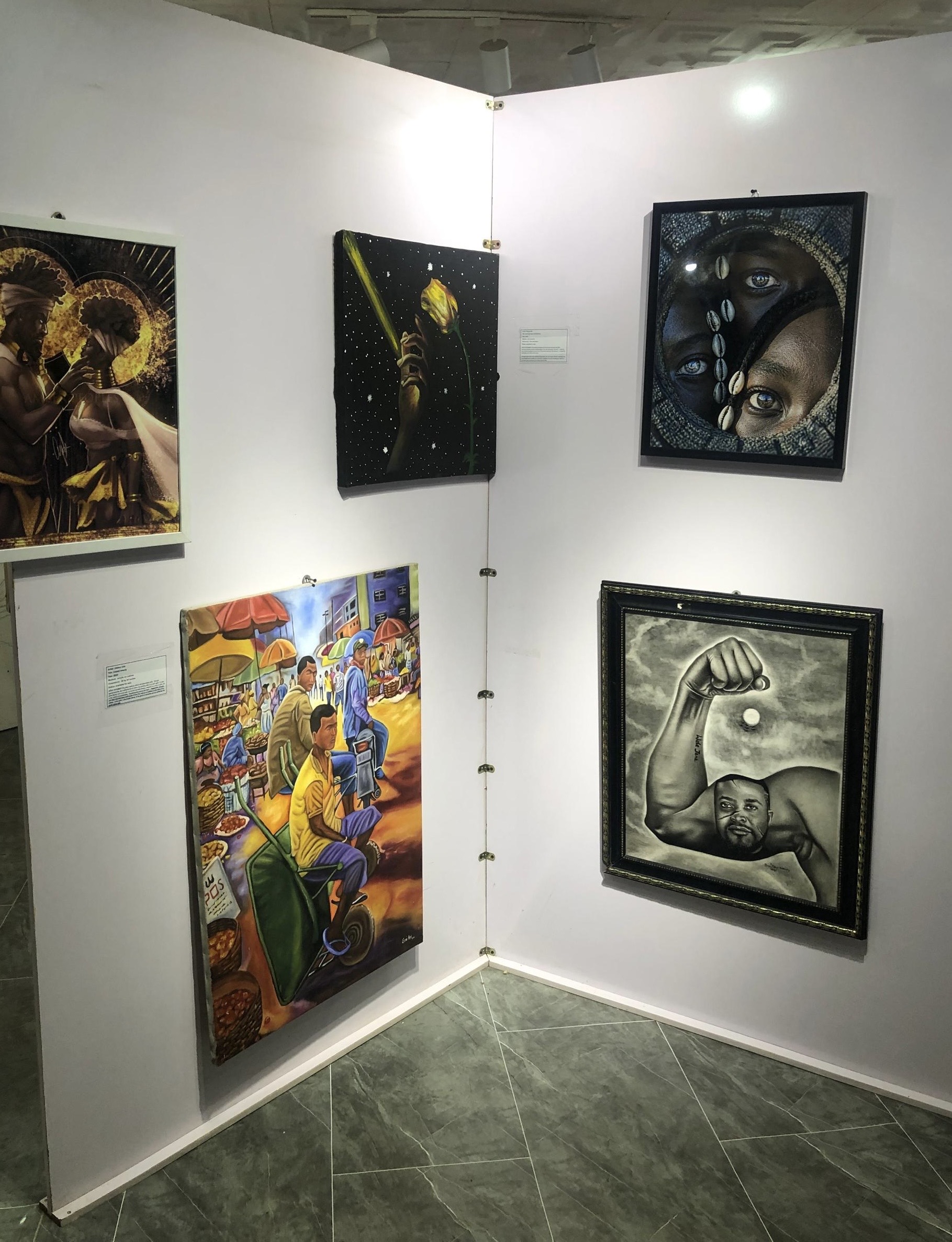
The featured work depicts men in wheelchairs within a lively marketplace environment, surrounded by traders, colourful umbrellas, goods, buildings, and the constant movement of city life.
Rich in colour and narrative detail, the composition captures the vibrancy of a familiar Nigerian social setting while directing attention to individuals whose experiences are not always centred in mainstream visual representations.
The men occupy a prominent position within the scene, becoming active participants in the life and rhythm of the marketplace rather than figures defined solely by their mobility.
Through this portrayal, the artwork opens conversations about visibility, accessibility, resilience, and belonging.
The bustling market serves as more than a backdrop. It represents a shared social environment in which different experiences, challenges, and ambitions coexist.
Jane’s mixed-media approach adds a distinctive visual energy to the exhibition, combining expressive colour, layered storytelling, and social observation.
The work reminds audiences that everyday spaces contain countless stories worth acknowledging and that meaningful artistic narratives can emerge from the most familiar aspects of society.
Eddie Emeka —
Empire: Culture, Heritage, and Human Connection
In Empire, fine art photographer Eddie Emeka presents a visually rich composition distinguished by its striking gold elements and regal atmosphere.
The artwork depicts two figures in an intimate interaction, surrounded by radiant golden forms and carefully composed cultural details.
Gold plays a significant role in the image, evoking associations with royalty, prestige, heritage, and the historical richness of African societies.
Beyond its decorative qualities, the colour establishes a sense of importance around the figures and their relationship.
The gestures, clothing, and visual arrangement invite reflection on cultural identity, connection, and the ways traditions shape individual and collective experiences.
Through its combination of portraiture, symbolism, and dramatic visual treatment, Empire celebrates the expressive possibilities of fine art photography.
The work also encourages viewers to consider the meaning of an empire beyond political or territorial power. It can be interpreted through the enduring influence of culture, relationships, shared histories, and inherited values.
Emeka’s contribution adds a sense of grandeur and cultural reflection to the exhibition, demonstrating how photography can become a powerful medium for reimagining familiar narratives of identity and heritage.
Five Artists, Different Visions, One Shared Experience
Although the five artists approached their subjects through different visual languages, their works shared an important quality: each challenged viewers to look more closely.
Ibrahim Kareem’s View explored perception and the expressive power of the human gaze. Arenze Ibekwe’s Power examined strength and resilience. Solomon Amos introduced a symbolic world of hope and aspiration, while Goodluck Jane drew attention to the richness and complexity of everyday urban experiences. Eddie Emeka’s Empire celebrated cultural expression, heritage, and human connection.
Together, these works demonstrated that there is no single way to interpret an image, experience a story, or understand the world.
The exhibition also highlighted the versatility of contemporary fine art photography. Rather than serving only as a means of documenting reality, photography became a platform for conceptual exploration, emotional expression, and cultural storytelling.
Goodluck Jane’s mixed-media contribution expanded this dialogue, showing how different artistic practices can complement one another within a shared exhibition space.
Creating Conversations Through Art
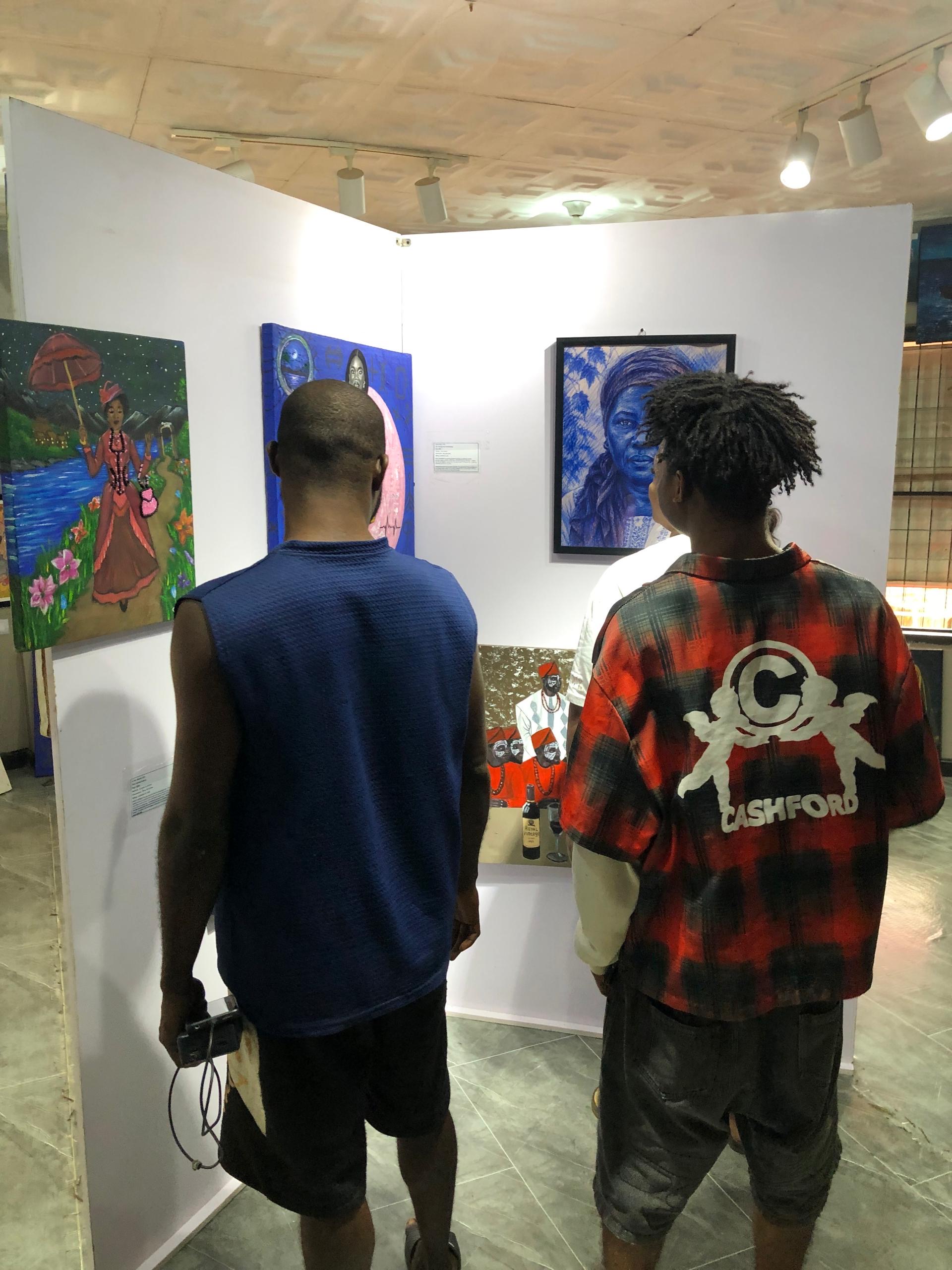
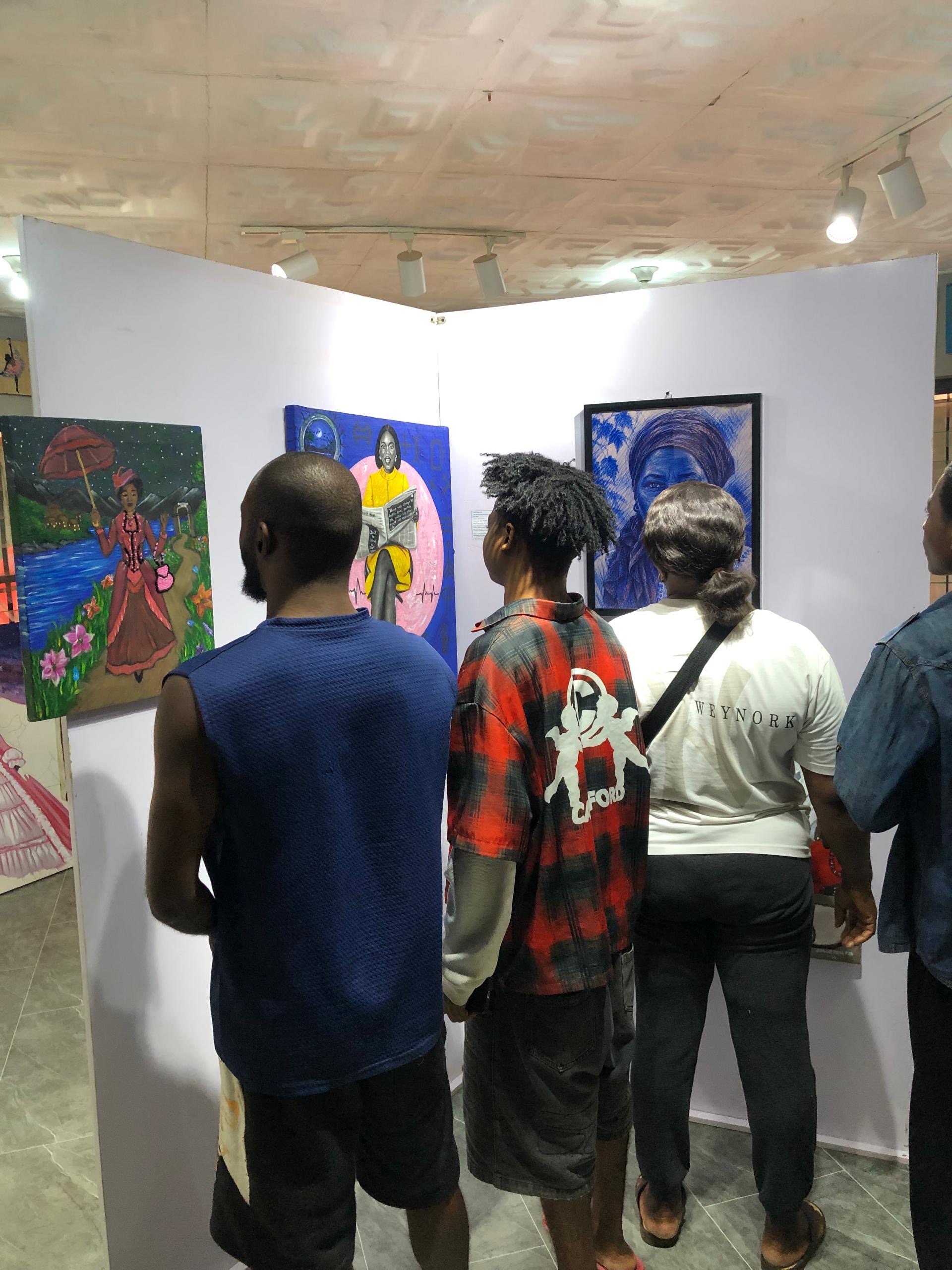
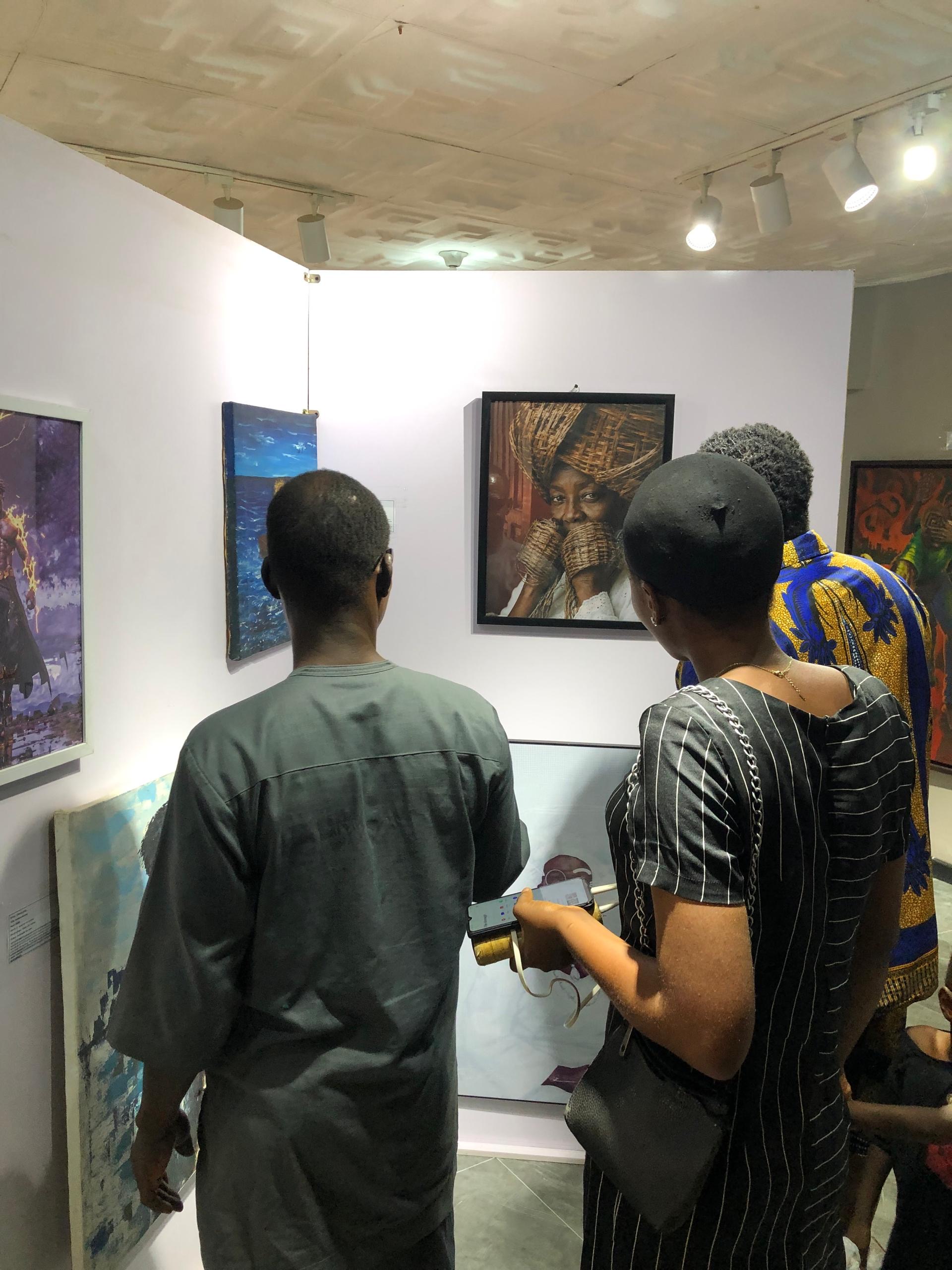
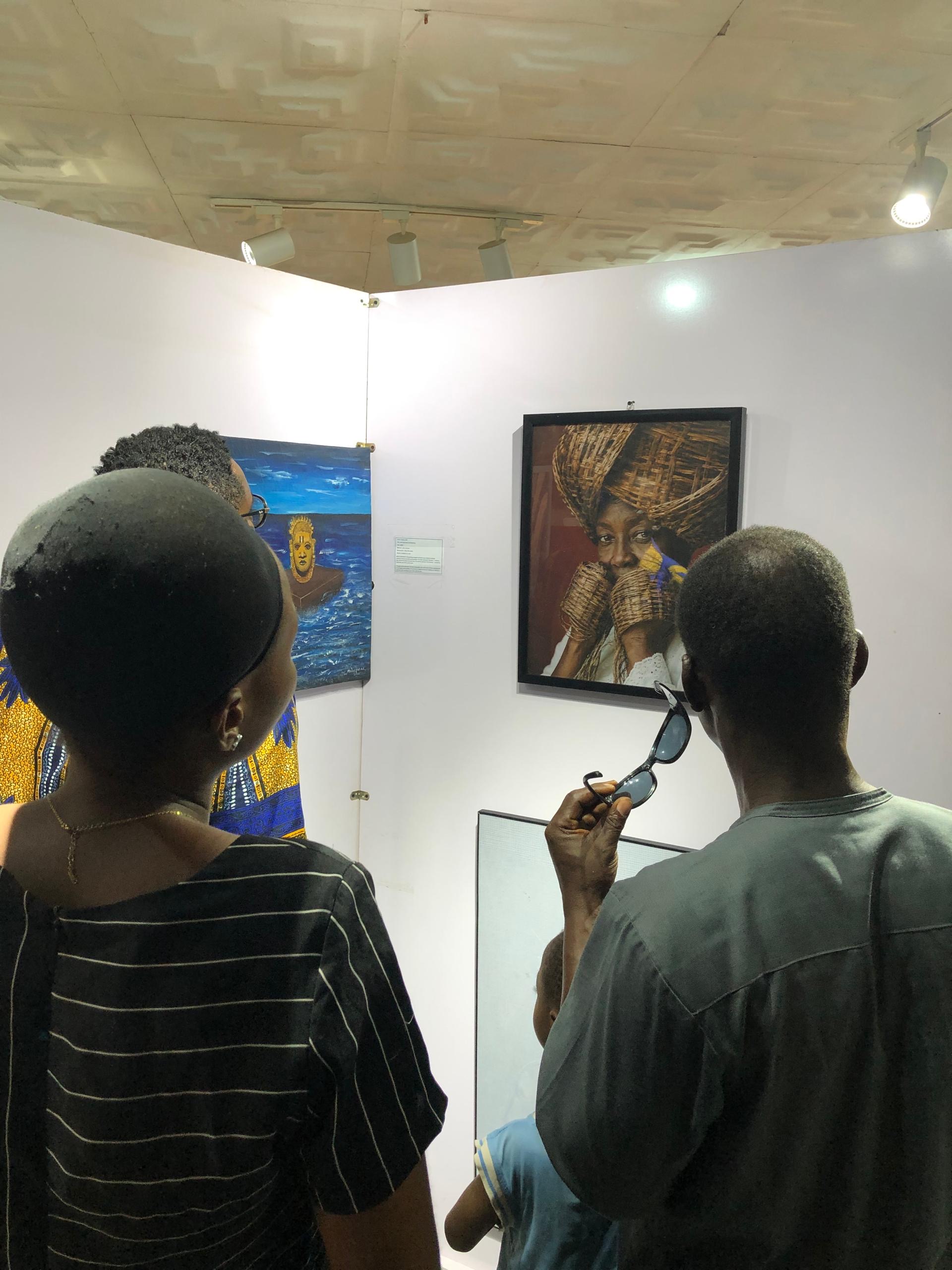
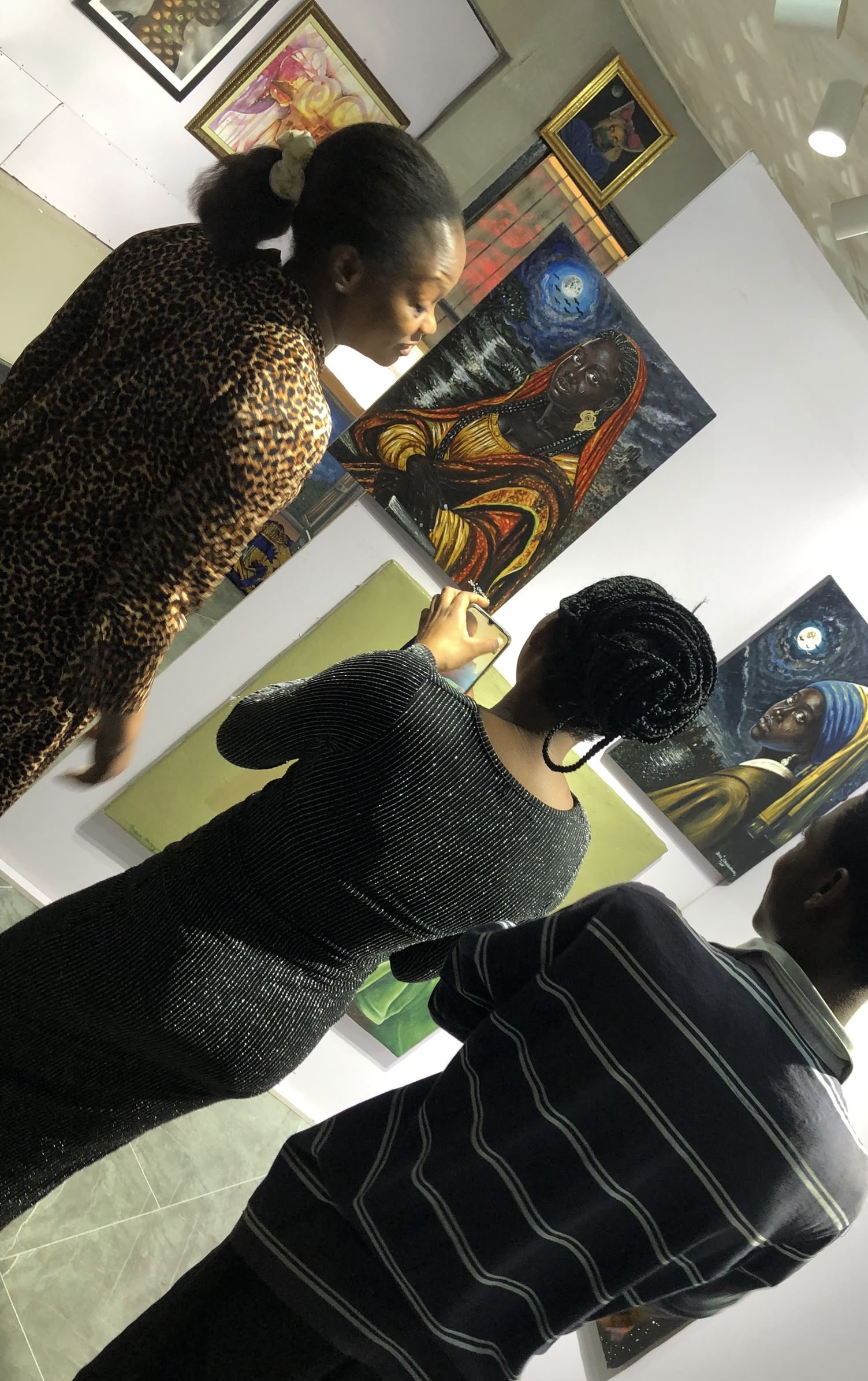
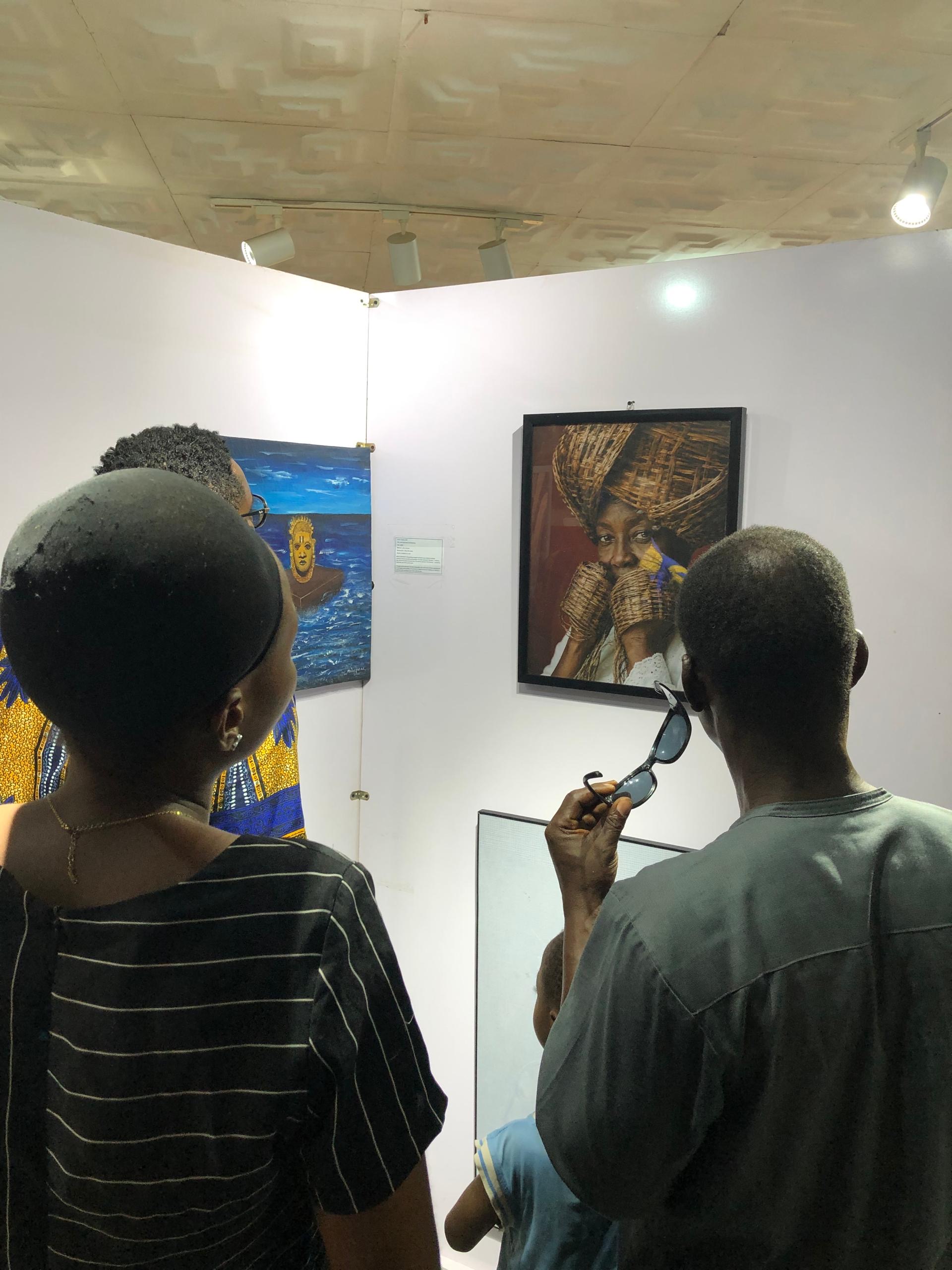
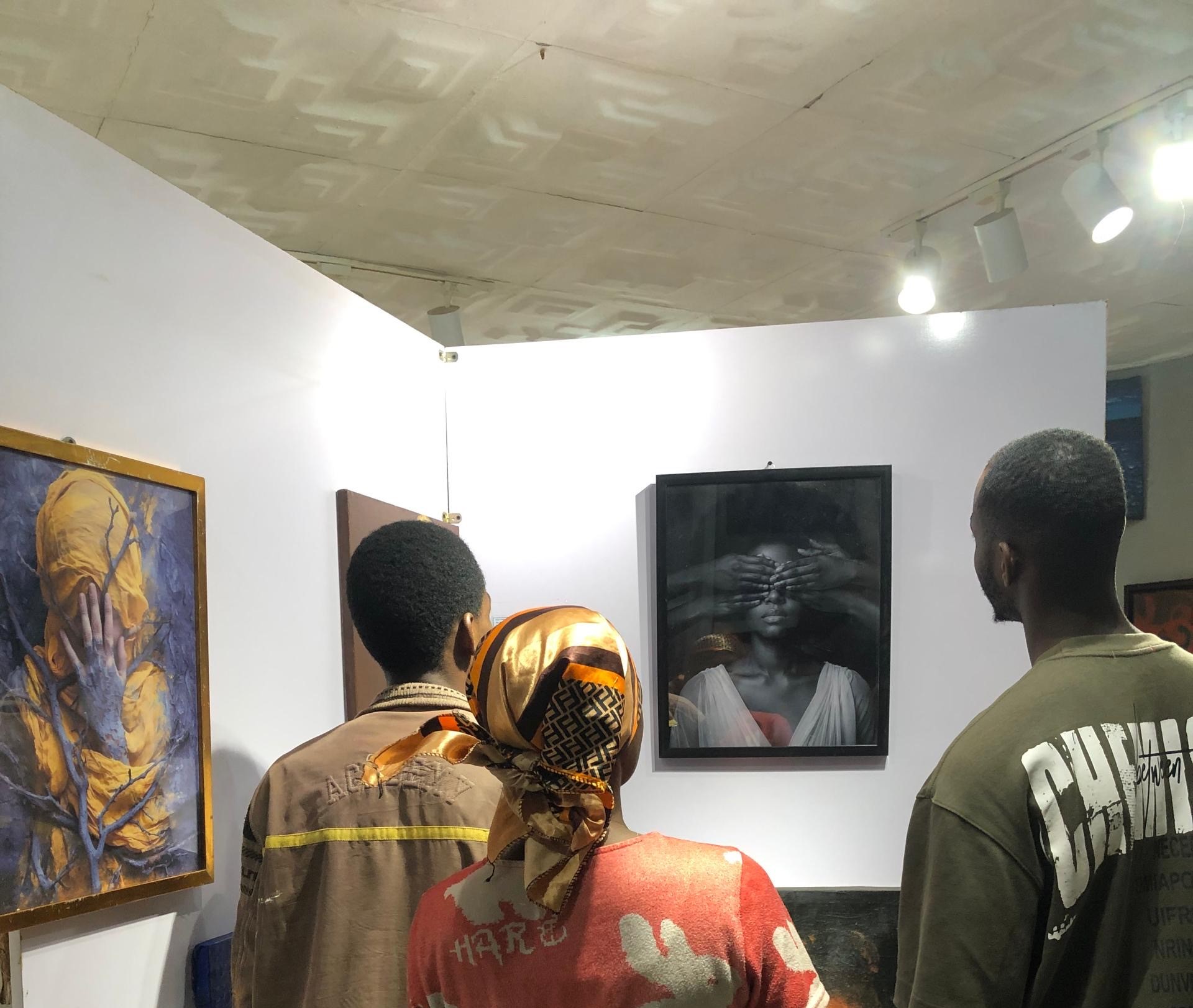
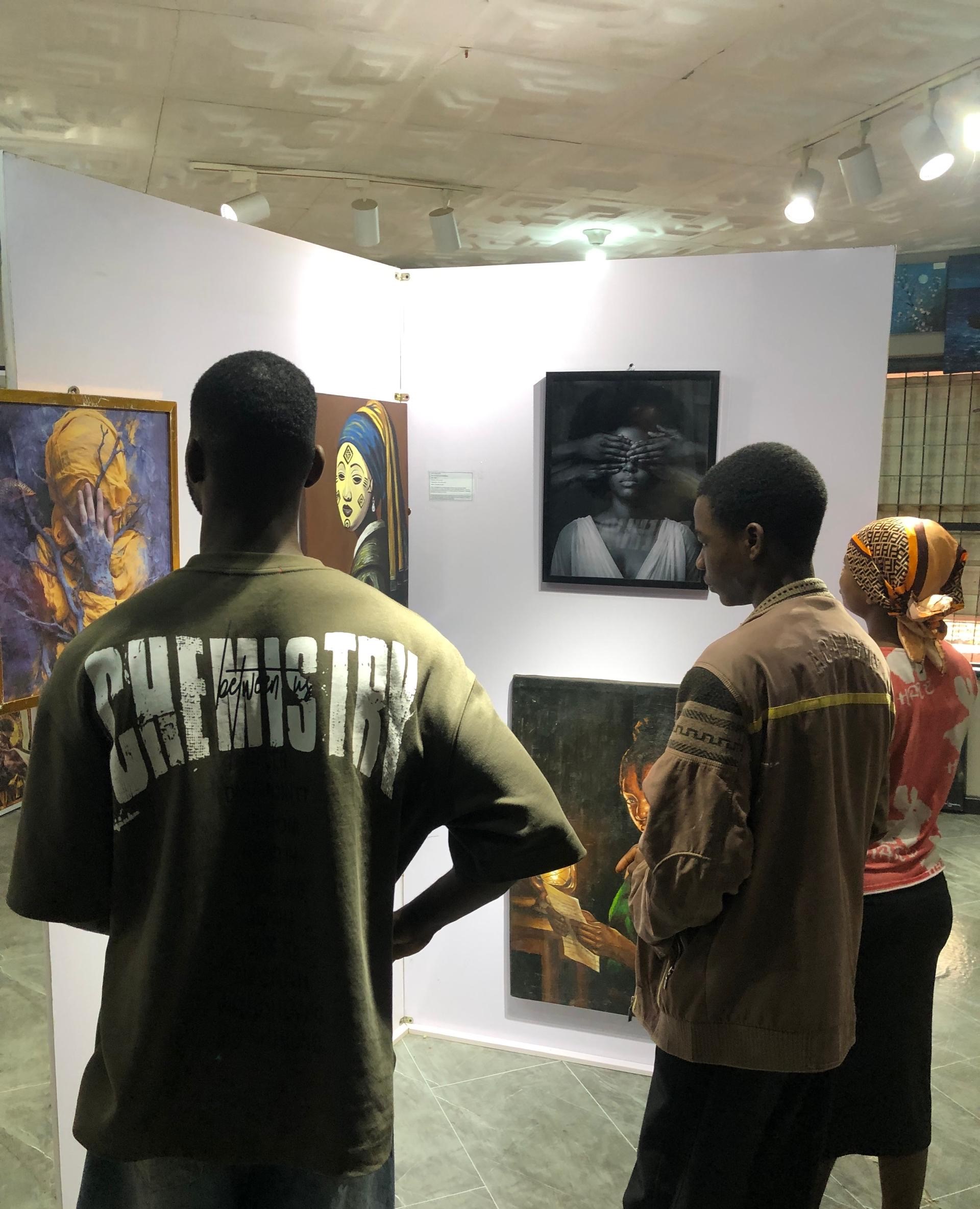
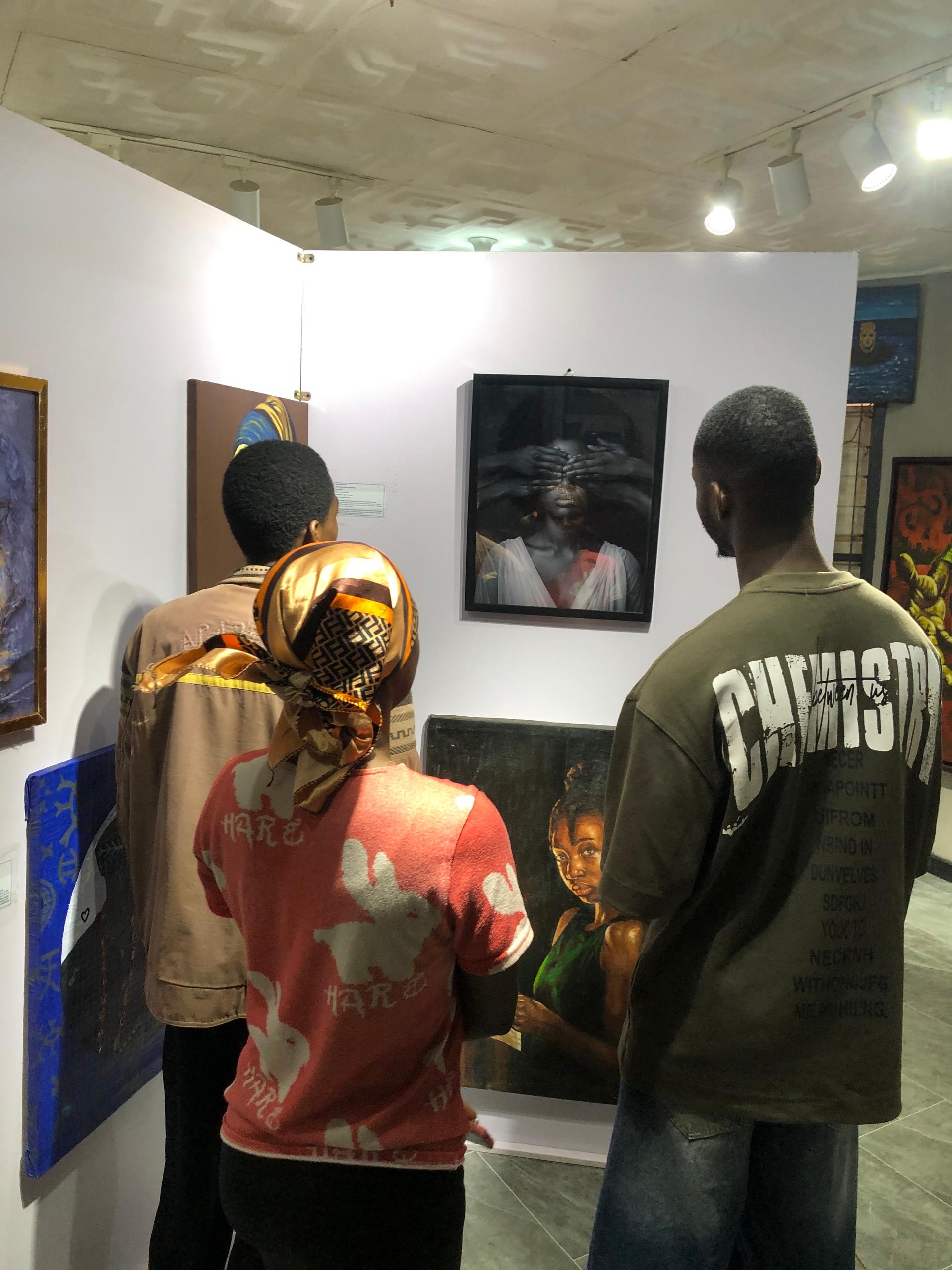
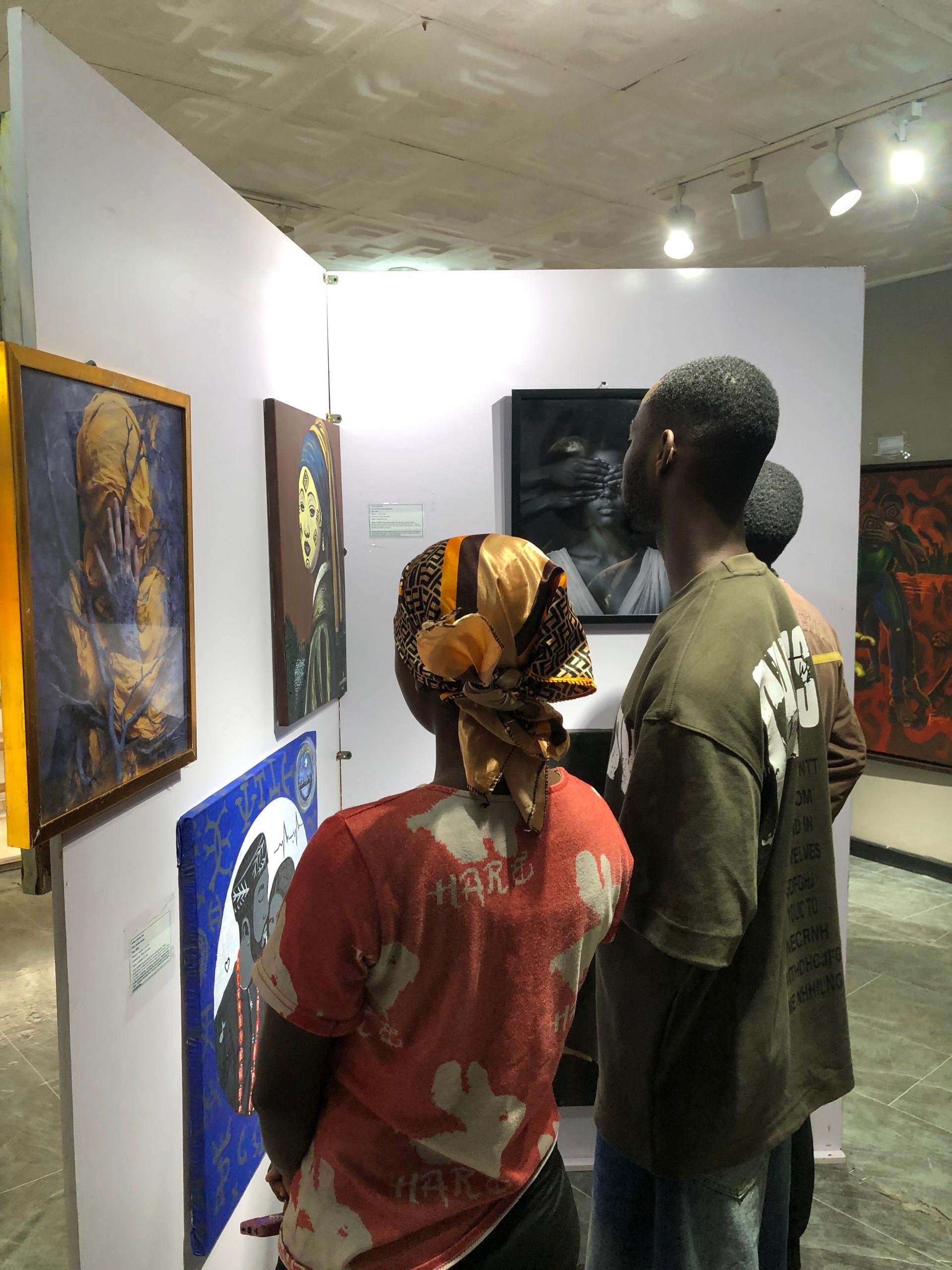
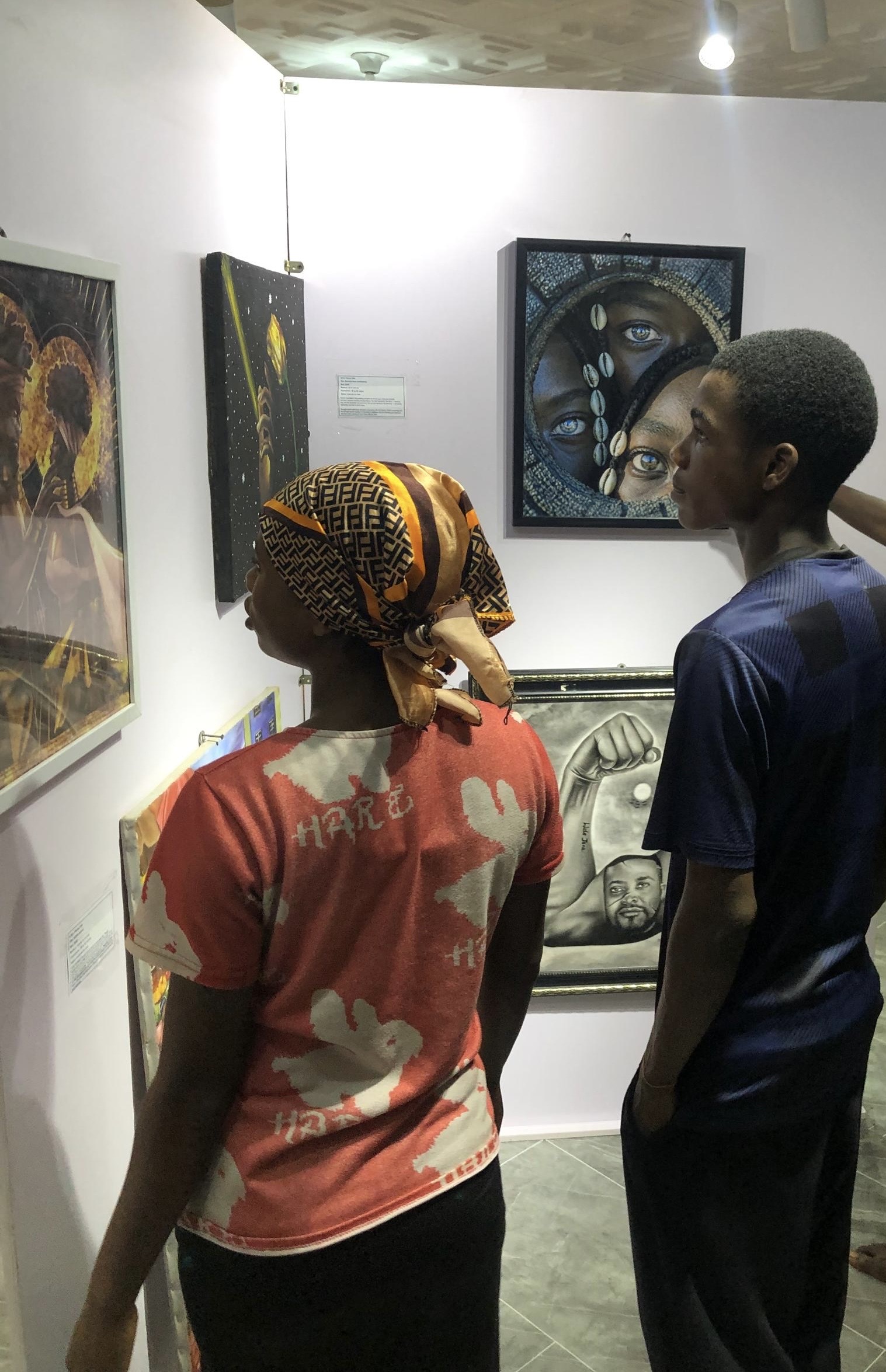
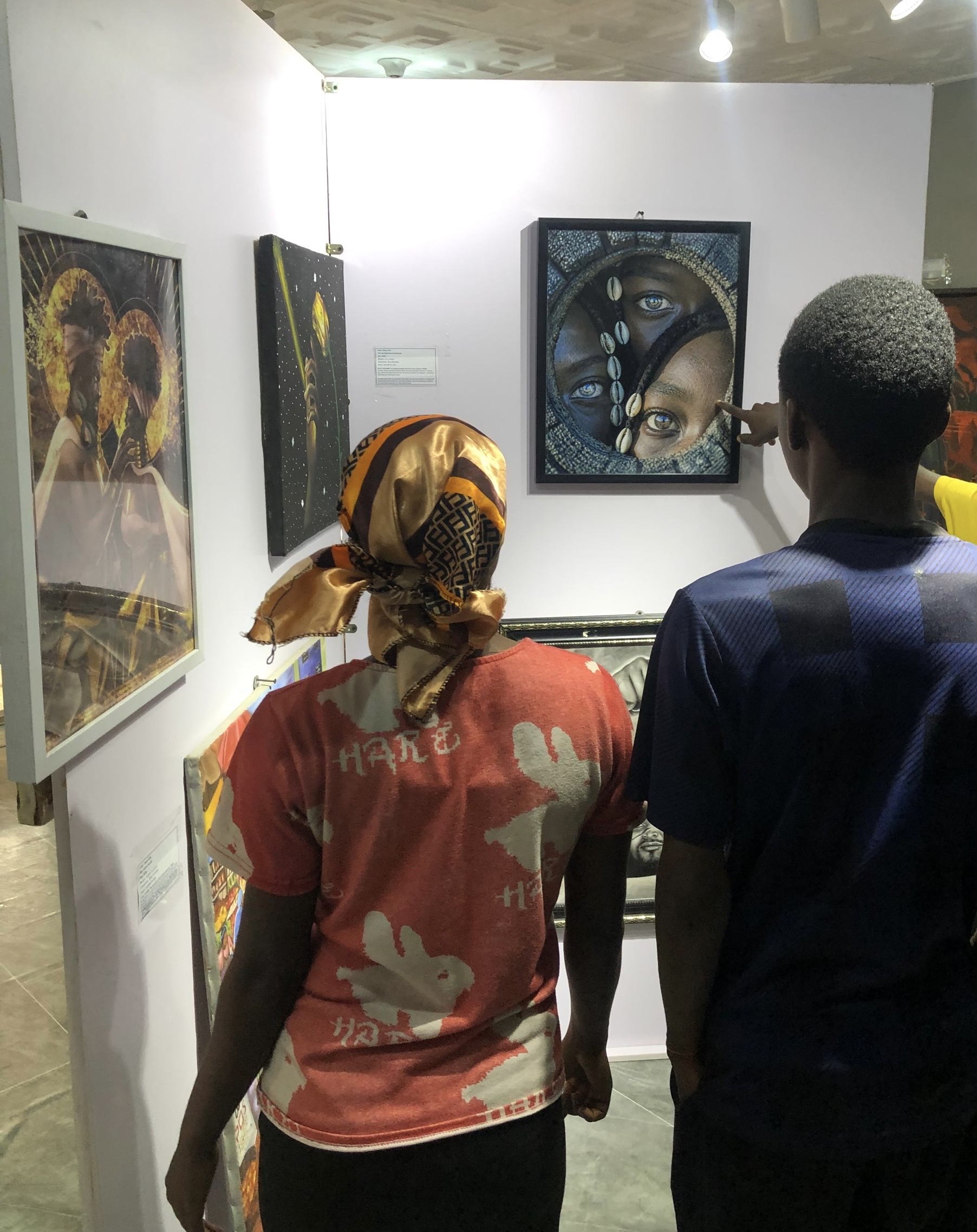
One of the most meaningful aspects of Many Ways of Seeing was the opportunity it created for direct engagement between audiences and artworks.
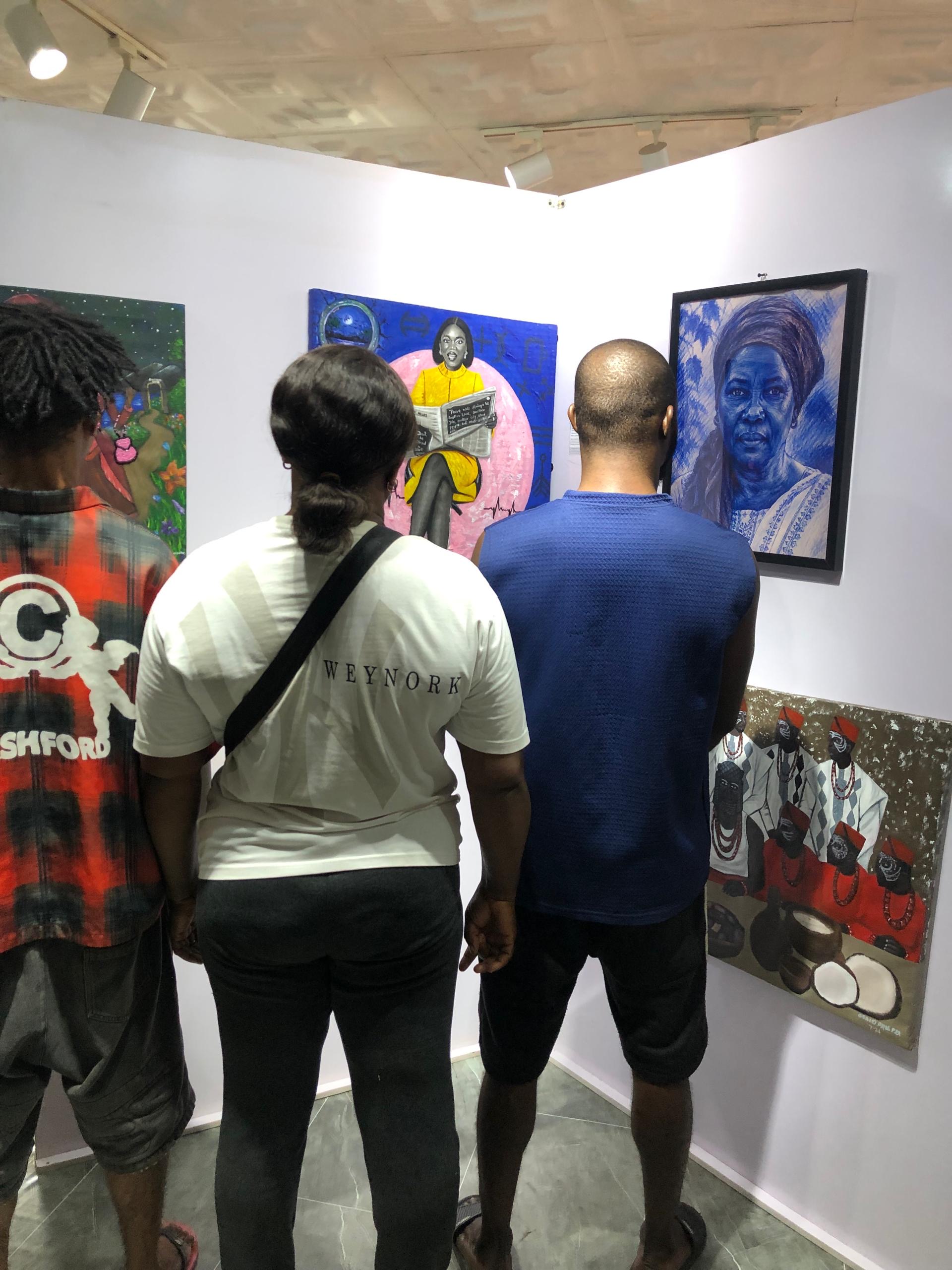
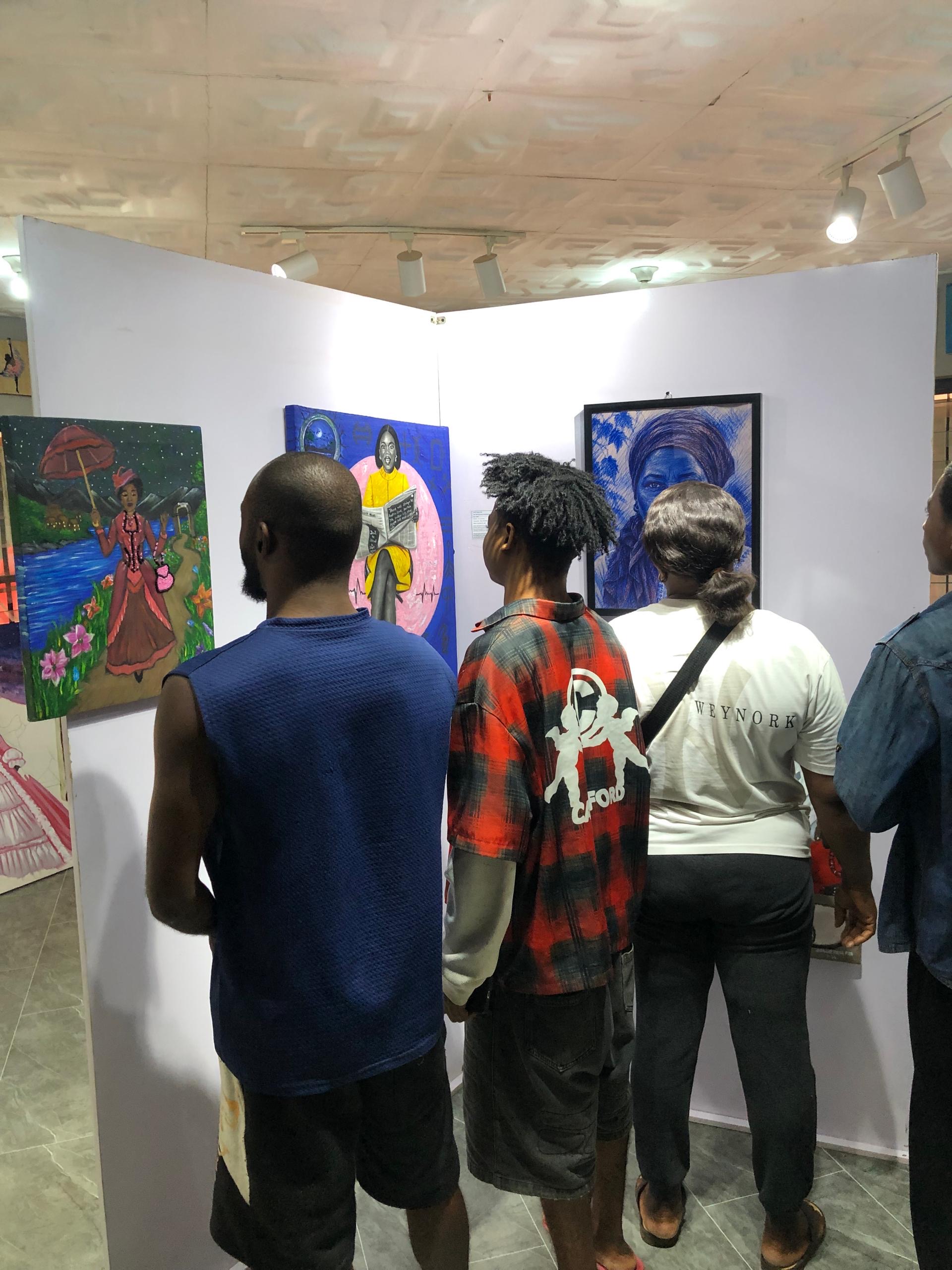
As visitors moved through the exhibition at Art Place Lagos, they encountered images that encouraged curiosity, conversation, and personal interpretation.
Some works invited reflection on cultural identity and collective experience. Others explored intimate emotions, social realities, and the symbolism of familiar gestures.
The exhibition demonstrated how the meaning of an artwork can evolve through the perspective of each person who encounters it.
A single image may evoke hope in one viewer, nostalgia in another, or a completely different understanding shaped by personal experience.
This diversity of interpretation was central to the spirit of Many Ways of Seeing.
Art Place Lagos: A Space for Artistic Discovery
At Art Place Lagos, we believe art is more than something to be admired. It is a medium for discovery, connection, and meaningful dialogue.
Through Many Ways of Seeing, we were delighted to bring together five artists whose works demonstrated the richness of contemporary artistic expression and the importance of creating spaces where different creative voices can be experienced together.
The exhibition reflected our commitment to celebrating artistic talent, encouraging fresh perspectives, and fostering a deeper appreciation of visual art within Lagos’s growing creative community.
As we look back on this exhibition, we are reminded that the beauty of art lies not only in what an artist creates but also in the countless meanings audiences discover within it.
Because there is never just one way of seeing.
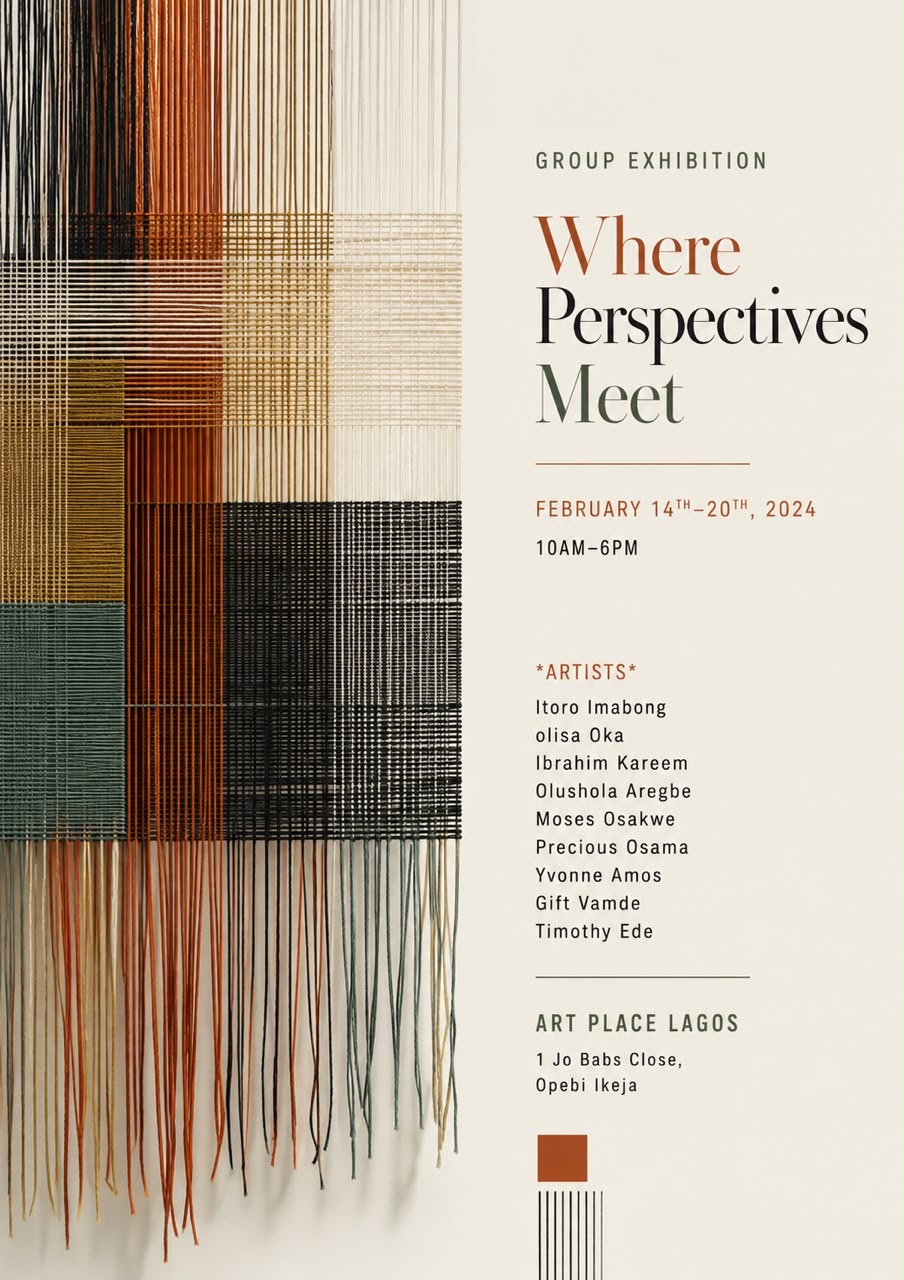
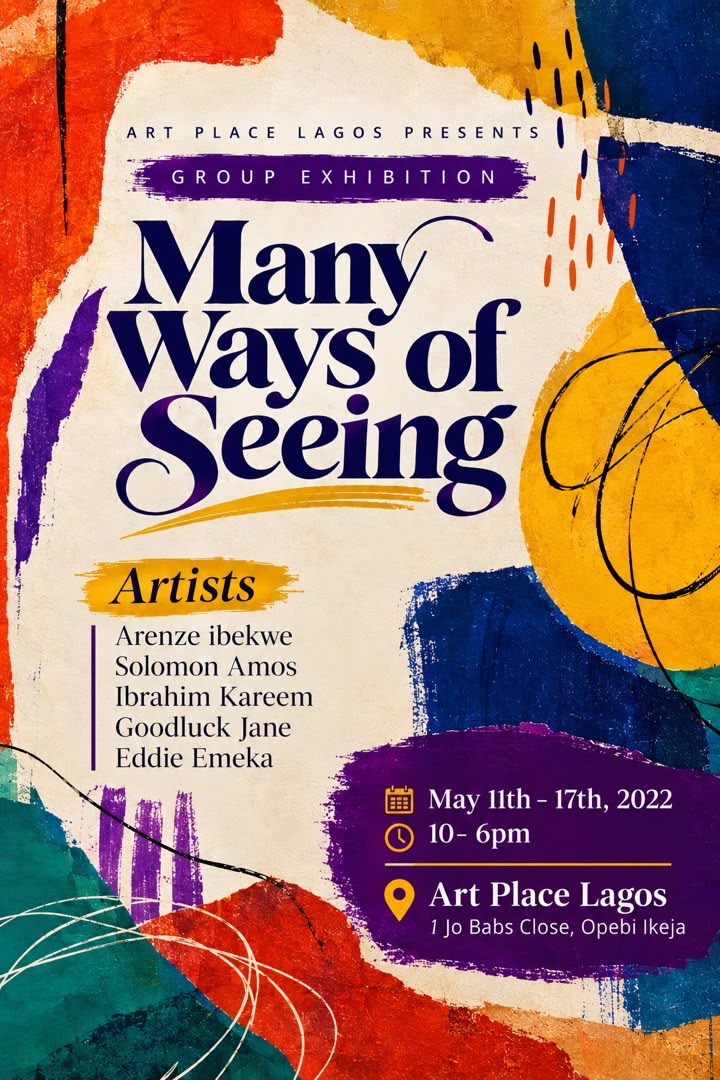
Many Ways of Seeing was presented by Art Place Lagos from May 11–17, 2022, featuring Arenze Ibekwe, Solomon Amos, Ibrahim Kareem, Goodluck Jane, and Eddie Emeka.
Art Place Lagos
1 Jo Babs Close, Opebi, Ikeja, Lagos, Nigeria.
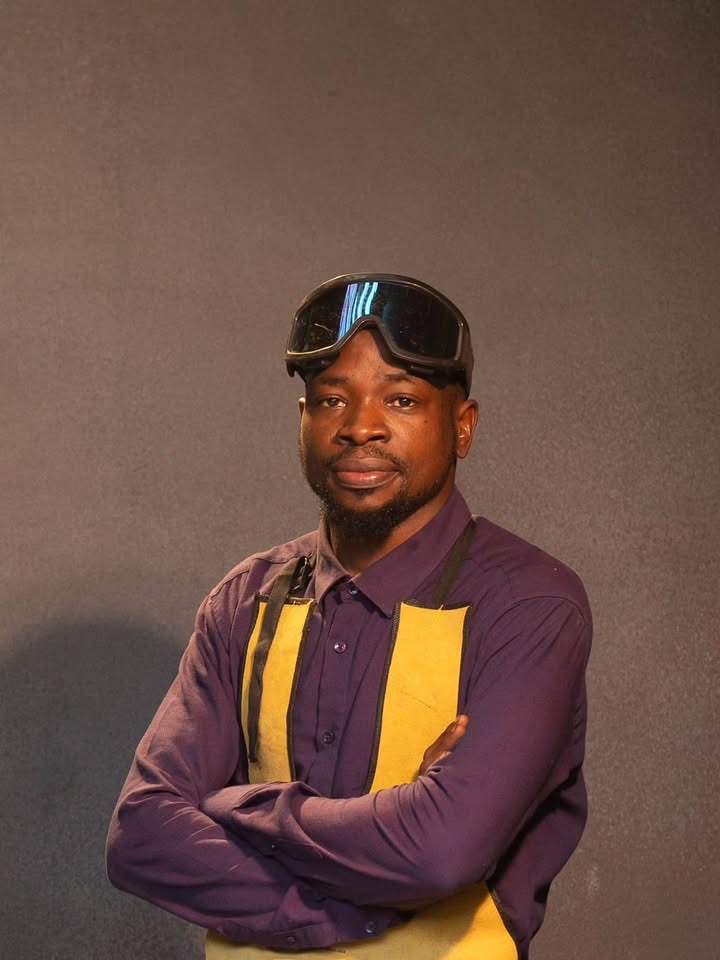
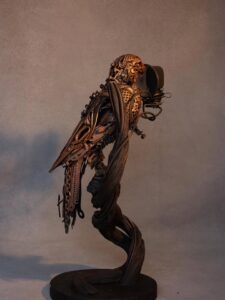
 That transformation is particularly relevant to Taiwo's sculptural practice. An artwork listed under the name Taiwo Abisoye, Arabian Horse (2024), is documented as a unique installation made from scrap metal, illustrating how industrial materials can be reimagined as sculptural forms. 
Sculpture is one of the most demanding forms of visual expression. Unlike painting, where an artist works primarily across a surface, sculpture requires an understanding of physical space, balance, structure and dimension.
Every angle matters. Every connection has a purpose. And every decision contributes to the final form.
For Abisoye Taiwo, the appeal of sculpture lies in its ability to turn artistic vision into something tangible. The process is not simply about producing an object that looks impressive. It is about giving shape to an idea and allowing viewers to experience that idea from different perspectives.
Working with metal also introduces an interesting relationship between strength and creativity. A material associated with construction, machinery and industrial activity becomes capable of expressing movement, elegance and artistic imagination.
This is what makes sculpture such a compelling medium. It challenges the artist to go beyond appearance and explore the possibilities hidden within the material itself.