Ibquake: The Power of Spoken Word Poetry and the Art of Making Every Word Count
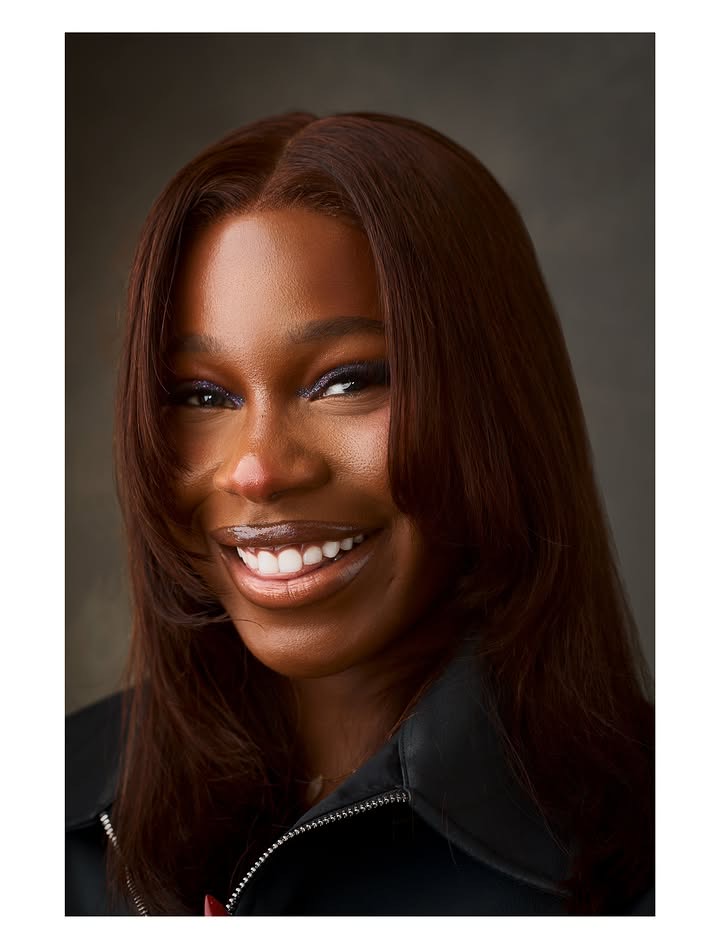
In a generation where everyone has something to say, Nigerian spoken word artist Ibquake reminds us that words can do more than entertain. They can challenge perspectives, stir emotions and give a voice to experiences that often go unheard.
There is a difference between hearing words and feeling them. Some words pass through us without leaving a trace, while others stay long after they have been spoken. That is the beauty of spoken word poetry, an art form that transforms ordinary language into something deeply personal, emotional and sometimes life-changing.
For Nigerian spoken word artist Ibquake, poetry represents the kind of creative expression that goes beyond carefully arranged sentences. It is about the connection between words, emotions and the people listening.
In a world increasingly driven by short attention spans and fleeting digital trends, spoken word poetry continues to hold its ground. It asks people to listen, to reflect and, sometimes, to confront truths they would rather ignore.
Ibquake belongs to a generation of creatives helping to keep that experience relevant.
Ibquake
When Poetry Becomes More Than Words
Poetry has always been a powerful form of expression, but spoken word gives it another dimension. Unlike poetry that lives quietly on the pages of a book, spoken word demands to be heard.
The pauses matter. The tone matters. Even the silence between sentences can carry meaning.
What makes spoken word particularly fascinating is its ability to turn personal experiences into collective conversations. A poem about heartbreak can remind someone of a relationship they have never fully healed from. Words about identity can resonate with people struggling to understand where they belong. A performance about society can challenge an audience to reconsider beliefs they have held for years.
This is the space in which artists like Ibquake become important. They demonstrate why poetry still deserves a place in contemporary conversations about art, culture and human experiences.
Ibquake and the Beauty of Authentic Expression
One of the most compelling things about spoken word is that it does not require elaborate production to make an impact. Sometimes, all an artist needs is a microphone, an audience and something worth saying.
For a performer, however, simplicity does not necessarily mean ease.
Delivering poetry requires an understanding of rhythm, timing, emotion and storytelling. It means knowing when to raise the intensity of a performance and when to allow a quiet moment to speak for itself.
Ibquake's presence within Nigeria's spoken word scene draws attention to the importance of this kind of artistry. It is a reminder that poetry is not merely about finding beautiful words. It is also about making those words meaningful.
Authenticity is central to that process. Audiences may admire clever wordplay, but what often stays with them is the feeling that a performer genuinely understands the emotions being expressed.
And when that connection happens, poetry stops feeling like a performance and begins to feel like a conversation.
Giving a Voice to a Generation
Young Africans are growing up in a time of enormous cultural change. Conversations about identity, relationships, mental health, faith, social expectations and personal freedom are becoming increasingly visible.
Art has become one of the ways these conversations take shape.
Across Nigeria, creative expression is no longer confined to traditional spaces. Musicians, filmmakers, photographers, visual artists and poets are finding new audiences through digital platforms and live performances.
Spoken word occupies a particularly interesting position within this movement because it combines literature with performance, allowing artists to communicate directly with their audiences.
Through the lens of Ibquake's artistry, we can appreciate how spoken word creates room for experiences that might otherwise remain unspoken.
It also challenges the idea that poetry belongs only in classrooms, literary gatherings or academic discussions. Poetry can exist wherever people are willing to listen.
The Courage to Be Heard
There is a certain vulnerability that comes with performing spoken word poetry.
Unlike other creative forms where an artist can hide behind characters or elaborate visuals, spoken word often places the performer directly in front of an audience, with little more than their voice.
That kind of exposure requires courage.
A poet must be willing to express ideas that may be misunderstood, emotions that may feel uncomfortable and perspectives that may not appeal to everyone.
But perhaps that is what makes the art form so necessary.
At its best, spoken word creates space for honesty. It reminds listeners that vulnerability is not the opposite of strength and that difficult conversations can begin through creative expression.
For artists such as Ibquake, this is part of the wider significance of choosing words as a medium.
Why Spoken Word Still Matters
In an entertainment industry where visual spectacle often attracts the most attention, spoken word poetry offers something different: the opportunity to connect through language alone.
Its impact cannot always be measured by applause, views or social media engagement.
Sometimes, the most important response to a poem happens quietly. It is the person who leaves a performance thinking differently about their life. The listener who finally finds words for an emotion they could not explain. Or the young creative who realises that their own story is worth telling.
That is the lasting power of poetry.
Ibquake's place in the contemporary spoken word conversation reflects the continuing relevance of an art form that has survived generations, changing its style and platforms without losing its emotional purpose.
As more young creatives explore unconventional ways of telling stories, spoken word remains proof that artistic influence does not always require grand gestures.
Sometimes, a voice is enough.
Beyond the Microphone
The future of spoken word poetry lies not only in the artists performing it but also in the communities willing to embrace it.
Every performance creates an opportunity for connection. Every poem introduces another perspective. And every artist who chooses to speak openly contributes to a culture where stories, emotions and individual experiences are valued.
For Ibquake, the significance of spoken word extends beyond the moment a poem is delivered. It exists in what listeners carry away from that moment.
Because the real beauty of spoken word is not simply in how beautifully something is said, but in how deeply it is felt.
And in a world filled with noise, artists like Ibquake remind us that sometimes the most powerful thing a person can do is speak and make someone truly listen.